- +39 011 5821948
- info@geasoluzioni.it
- Lun - Ven 8:00 - 17:00








Treatment of Drug-Resistant Epilepsy with Neurofeedback in a Pediatric Population in Ivory Coast: A Pilot Study
- Abstract:
- This study concerns the treatment of drug-resistant epilepsy in the pediatric Ivorian population, aged between 3 and 10 years, with SMR - promotion Neurofeedback training - protocols for the enhancement of sensory-motor rhythms. 87 children (45 female, 42 male) have been recruited at the Don Orione Hospital, Bonoua. A large portion of patients has a diagnosis of epilepsy following neonatal cerebral palsy; in these cases, epilepsy was treated as a clinical condition with possible remission, unlike the other non-reversible clinical dimensions. The entire population shows on average a long-lasting statistically significant reduction in the number of weekly seizure episodes (-17.0 [-6.0, -31.7] at T1, 10 days after the treatment, -10.3 [-22.7, -1.0] at T2, 30 days after the treatment and -4.4 [-12.0, 2.0] at T3, 90 days after the treatment) along with an increase of the relative power of SMR band (12-15 Hz) by 11.4% [6.2%, 19.7%] between the first and the last neurofeedback session. By presenting the physiological rationale underlying the functioning of neurofeedback in epilepsy, our study aims to contribute to the neuroscientific understanding of the sensory-motor cortical rhythm mechanisms in this pathology and to enrich one of the possible research directions that seem promising. Aware of the limited scientific literature on the subject, the factors underlying the effectiveness of the protocols are presented and discussed in terms of crisis reduction, improvement of patients’ behavioral symptoms and quality of life, results that seem to provide elements for thought for a rigorous scientific investigation.
- Patologie/Applicazioni:
- Anno:
- 2025
- Tipo di pubblicazione:
- Articolo
- Parola chiave:
- Bio-Neurofeedback; Epilessia
- Testata scientifica:
- ECronicon
- Mese:
- 08
- Nota:
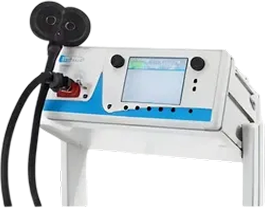
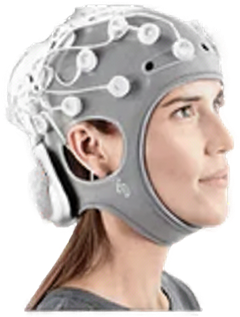
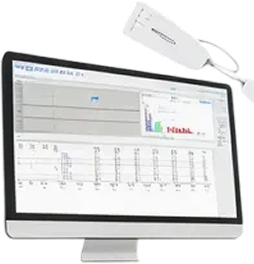
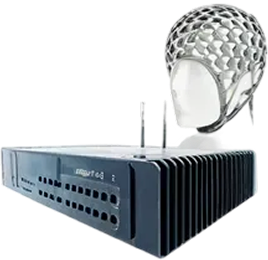
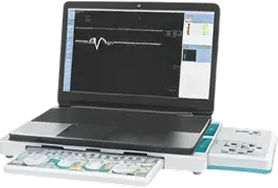
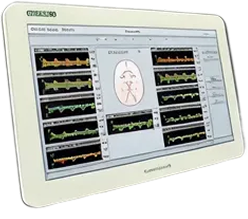
- Lo studio, uno dei primissimi a trattare una popolazione pediatrica in Africa occidentale, ha valutato l’efficacia del trattamento di EEG-Neurofeedback volto ad incrementare il ritmo SMR su bambini di età compresa tra i 3 e i 10 anni con diagnosi di epilessia scarsamente responsiva ai farmaci. I bambini hanno ricevuto 3 o 5 sessioni di EEG-Neurofeedback volti alla promozione del ritmo SMR per rinforzare lo stato di attenzione mantenendo un tono muscolare rilassato. I risultati non solo mostrano una notevole riduzione nel numero di crisi comiziali settimanali a 10 giorni di distanza dalla fine del trattamento, ma evidenziano come anche dopo 90 giorni una piccola riduzione rispetto alle condizioni pretrattamento sia ancora presente. Questi dati si pongono come apripista per ulteriori studi più approfonditi su una popolazione spesso scarsamente rappresentata nella ricerca medica globale. GEA soluzioni ha contribuito concretamente a questa ricerca mettendo a disposizione la strumentazione medicale e le competenze degli ingegneri biomedici.
Hits: 133
La nostra storia
GEA soluzioni si affaccia nel 2013 al mercato della strumentazione medicale di alto livello tecnologico ma la sua storia parte da più lontano, clicca qui per approfondire.
GEA SOLUZIONI SRL
via Spalato 72/A, Torino
Tel.: 011 5821948
Email: info @ geasoluzioni.it
P. IVA IT11696920013
REA TO1233648